
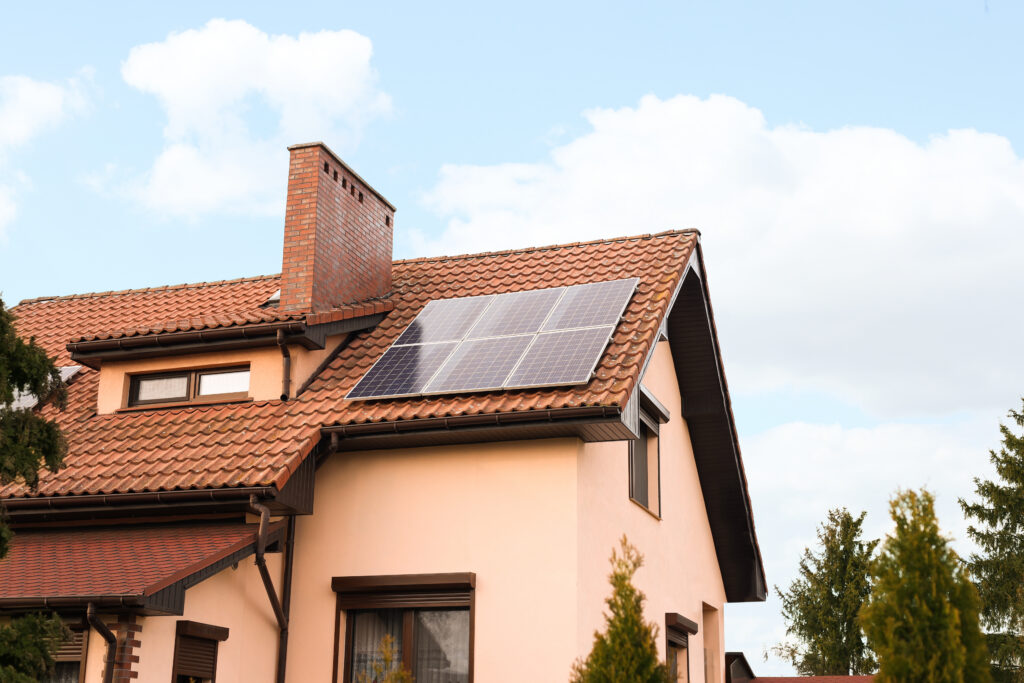
The residential solar energy landscape has undergone rapid development, bringing a significant wave of regional industry shifts. Across the country, numerous local installation companies, independent contractors, and regional providers have restructured their businesses, downsized operations, or completely closed their doors. For homeowners who invested in solar energy systems under the assumption of long-term structural and operational support, this volatility has created a challenging new reality: the phenomenon of “orphaned” solar equipment.
An orphaned system occurs when the original solar installation provider completely shuts down its business or vanishes from the marketplace. This leaves the consumer with physical hardware mounted to their roof, but with absolutely no access to the customer service, technical support, or routine maintenance teams that were originally promised during the sales presentation.
When a system component errors out, an inverter fails, or a roof integration requires inspection, homeowners face a frustrating operational roadblock. Because of intense insurance liability constraints, traditional, active solar contractors routinely refuse to perform service, maintenance, or repairs on physical hardware installed by a defunct third party.
Navigating this operational isolation can feel overwhelming. However, a systematic review of your original paperwork can reveal important contractual frameworks that remain intact even after an installer closes. This industry update is designed to help property owners understand their contract, review key contract terms when dealing with an unresponsive or out-of-business provider, and see what contract options may be available by organizing their baseline files for an objective legal evaluation.
The Operational Mechanics of Orphaned Hardware
To effectively manage an orphaned solar array, a homeowner must first understand the structural nature of a standard residential solar transaction. A common misconception is that a single, unified business entity handles every aspect of the solar installation, financing, and ongoing maintenance. In reality, the company whose brand name was printed on the sales representative’s shirt or polo is rarely the entity that holds your long-term debt or processes your monthly payments.
When an installation company goes out of business, the surrounding operational ecosystem fractures in very specific ways:
- The Invalidation of Workmanship Warranties: Most initial solar agreements include a multi-year “workmanship warranty” meant to protect the homeowner against roof leaks, structural integration errors, or faulty electrical wiring. The moment the installation firm goes insolvent, this specific protection generally vanishes because the corporate entity responsible for backing it no longer exists.
- The Loss of Proprietary Data Monitoring: Active solar arrays utilize digital data loggers to transmit real-world production metrics back to a centralized cloud database. If an installer closes down operations, their proprietary customer applications often stop updating, leaving the homeowner unable to verify whether their system is producing energy or suffering from an electrical fault.
- The Persistence of the Financing Obligation: Despite the total loss of technical support and operational hardware maintenance, the secondary financial institution, bank, or third-party solar lease provider continues to demand full monthly payments. These financial entities operate completely independently of the installation company, meaning your monthly payment obligation remains fully active even if the system on your roof is entirely non-functional.
Reviewing Key Contract Terms: Where to Look for Support
If you discover that your primary installation provider has vanished or stopped responding to basic inquiries, you must shift your focus from active communication to rigorous document management. Your primary goal is to examine your existing contract files to identify specific provisions that govern secondary equipment responsibilities and lender liabilities.
When performing a personalized solar contract review, focus your analysis on these three foundational areas:
1. Separate Manufacturer Equipment Warranties
While the installer’s personal workmanship warranty may be unrecoverable, the physical hardware itself, specifically the solar panels, microinverters, and battery storage units, is typically backed by separate, long-term product warranties provided directly by the original equipment manufacturers (OEMs).
Review your primary contract terms to locate the exact make and model numbers of your system components. Major international hardware manufacturers often provide 10- to 25-year component replacement guarantees. If an inverter fails on an orphaned system, you may be able to interface directly with the manufacturer to secure a replacement component, bypassing the defunct installer entirely.
2. Financing Agreement Remedies and Assignee Liability
Examine your consumer financing contract or retail installment agreement to understand exactly how the loan bank is linked to the installer. Within the fine print of many consumer credit contracts, federal and state consumer protection rules dictate how a borrower’s obligations are treated when a merchant goes out of business.
Look for specific language referencing the relationship between the seller and the holder of the debt. Understanding these consumer protection frameworks is a critical step, as it helps determine whether the secondary financial platform bears any administrative or operational responsibility for the breakdown of the solar services they chose to finance.
3. Transfer and Off-Grid Clauses
Review your paperwork to understand what contract options are available if you need to modify, remove, or temporarily detach the panels for home maintenance, such as an independent roof replacement. Look for clauses detailing “system removal and reinstallation.”
If your original provider is gone, your contract terms may outline specific procedures for utilizing certified third-party technicians without triggering an accidental default under your financing agreement.
Organizing Your Records: The Role of End My Solar
Proving that a system has been completely orphaned and that the original provider is legally non-performing requires a meticulous approach to administrative data gathering. Homeowners must avoid simply stopping their monthly loan or lease payments out of frustration. Doing so without a structured approach can lead to immediate credit reporting damage, aggressive collection actions, or the enforcement of an active equipment lien against the property title.
At End My Solar, our contract specialists handle the heavy lifting of administrative intake and document mapping.
[Orphaned Solar Equipment] ──► [Homeowner Provides Records] ──► [EMS Documents Mapping] ──► [CALG Partner Attorneys]
Understanding Our Compliance Boundaries
To ensure absolute transparency and strict compliance with consumer protection guidelines, it is vital to explicitly define the operational boundaries of our platform:
- We are not a law firm. End My Solar does not provide legal advice, offer legal opinions, or perform legal analysis.
- We do not utilize legal strategies. Our contract specialists do not evaluate files for “legal flaws,” hunt for “legal loopholes,” or make promises that we can automatically “cancel your deal” or “wipe out liens”.
- Our focus is strictly administrative. We collect and organize the fragmented files, unanswered communication logs, installation timelines, and financing records provided directly by the homeowner. We map this information into a standardized, organized evidence packet.
Once your baseline administrative files are completely compiled and verified, your documents may be reviewed by a qualified law firm to evaluate what potential contract options may be available for relief. We provide a structured, seamless handoff directly to our partner attorneys at Consumer Advocacy Law Group (CALG).
By presenting a fully organized evidence packet, the independent consumer protection attorneys at Consumer Advocacy Law Group can immediately initiate an efficient review. Their legal team can evaluate your options for potential relief, help you understand your long-term obligations, and represent your interests when interfacing with the secondary finance companies that continue to hold your debt.
Clear, Flat-Fee Legal Structures: Total Financial Predictability
We firmly believe that managing an unexpected consumer issue should never involve financial ambiguity or surprise costs. Our collaborative pipeline with Consumer Advocacy Law Group is built on a model of complete financial transparency and predictability:
- Free Administrative Intake: The initial file compilation, communication log tracking, and public property record organization completed by End My Solar during your consultation is performed at zero out-of-pocket cost to the homeowner.
- Transparent Flat-Fee Models: If the independent legal team at Consumer Advocacy Law Group reviews your organized evidence packet and determines that your file qualifies for formal legal representation, they completely reject open-ended, unpredictable hourly billing structures. Instead, they quote a single, fixed flat-fee structure that can be broken down into manageable monthly payment plans.
- Non-Refundable Protections: To maintain complete operational clarity, all fees are non-refundable once representation and professional services begin with our partner law firm. This structural standard ensures that dedicated legal hours and consumer advocacy resources are fully committed to your file from day one without hidden fees or sudden invoicing surprises.
Take a Proactive Step to Resolve Your Solar Contract Mismatch
Dealing with orphaned solar panels or an unresponsive provider does not mean you have to remain stuck in a permanent financial trap. By taking an active, organized approach to your documentation, you can gain complete clarity on your contract terms, review your consumer rights, and protect your household’s financial stability.
Do not wait for a component failure or a property transaction roadblock to address your solar records. Let our contract specialists handle the administrative burden of mapping out your documentation today.
Connect with the team at End My Solar to schedule your free initial consultation, systematically organize your paperwork, and explore what options may be available through an objective attorney review.
Disclaimers: End My Solar is an administrative intake and document-organization platform, not a law firm, and does not provide legal advice or legal analysis. End My Solar connects homeowners with independent legal professionals, such as Consumer Advocacy Law Group. The decision to alter or stop making payments to any financial platform or solar lender must only be considered under the explicit advice and representation of a qualified attorney. All fees are non-refundable once services begin. Results depend on individual facts; past results do not guarantee future outcomes.